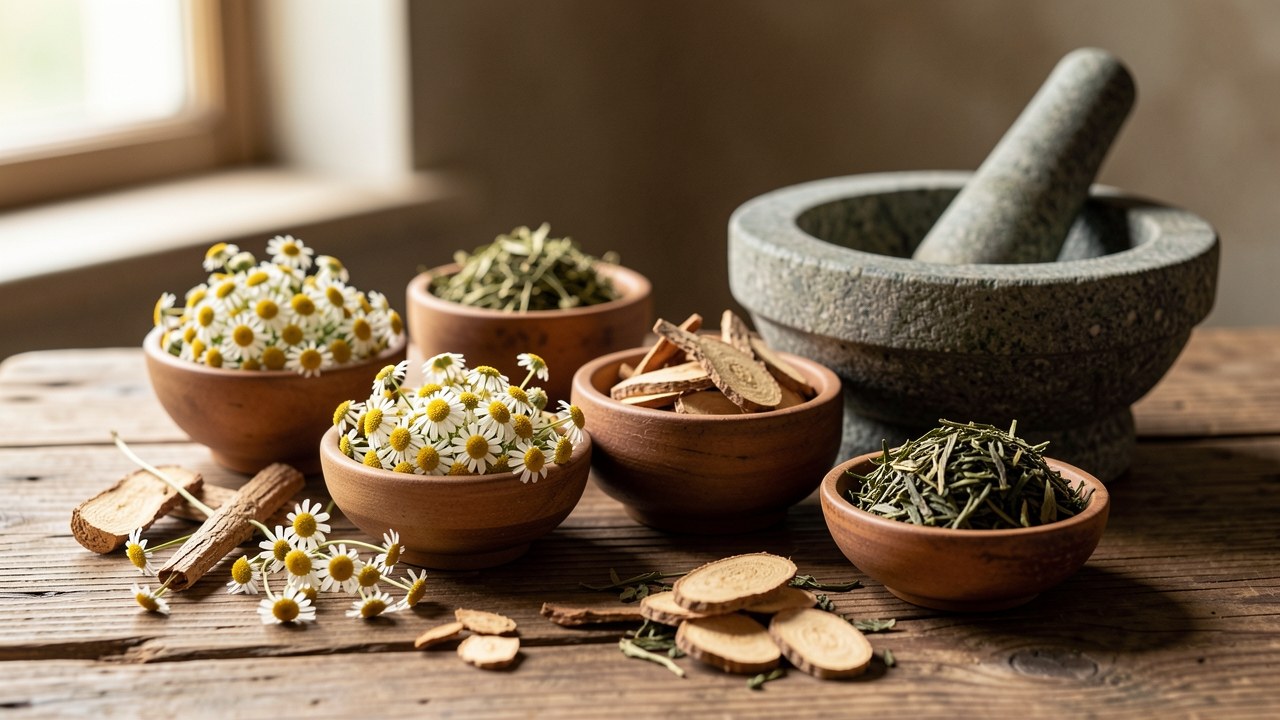
What Are Herbal Supplements?
Herbal supplements (sometimes called botanical supplements) are products made from plants and used internally for health purposes. They come in many forms, including capsules, tablets, teas, extracts, and powders. Unlike prescription drugs, which are strictly regulated and tested for effectiveness before they reach the market, herbal supplements are treated differently under U.S. law.
It's important to know that 'natural' does not automatically mean safe. Herbal products can have strong effects on the body, and they can interact with medications or cause unwanted side effects. Understanding what you are taking and how it might affect you is the first step to using them responsibly.
Sources: StatPearls Publishing via NCBI
Common Herbs: Uses and Evidence
Herbal supplements are used for a wide range of health concerns. Here are some of the most studied herbs, along with the evidence for their popular uses. Keep in mind that research results vary, and some herbs have only limited evidence.
- Echinacea: A native plant of eastern and central North America, historically used by Native Americans for colds and respiratory infections. Today, it is often taken to prevent or treat the common cold, but evidence is mixed. Some people use it for its possible immune-stimulating effects.
- Black cohosh: Often used to manage menopausal symptoms like hot flashes, but research is not conclusive. It contains compounds that might affect liver enzymes, so caution is advised.
- Ginkgo biloba: Commonly taken to improve memory or thinking, especially in older adults with age-related cognitive decline. However, studies show it is not effective for improving memory or concentration in healthy individuals.
- Saw palmetto: A plant from the southeastern United States, often used for benign prostatic hyperplasia (enlarged prostate). Its effectiveness is still debated.
- Garlic: One of the most researched herbal supplements and the second most used complementary therapy. It is used for cardiovascular health and other purposes, but evidence is not definitive.
- Ginseng: A term that covers several species in the genus Panax. It is used to boost energy, improve mental and physical performance, and strengthen the immune response. Some varieties, like Asian ginseng, are more commonly used for these purposes.
- St. John's wort: One of the top 10 best-selling herbs in the United States, used primarily for depression and mood support. It has many known drug interactions.
- Licorice root: Sometimes used for digestive issues, but the active compound glycyrrhiza can cause high blood pressure and low potassium levels.
Sources: StatPearls Publishing via NCBI, Journal of the American College of Cardiology, Cleveland Clinic Health Essentials
How Herbal Supplements Are Regulated
In the United States, herbal supplements are regulated as dietary supplements, not as drugs. This means that the U.S. Food and Drug Administration (FDA) does not require proof of effectiveness or pre-market approval before a supplement is sold. Manufacturers are responsible for ensuring their products are safe and that label claims are not false or misleading, but the FDA does not review these products for safety or efficacy in advance.
However, the FDA can take action if a supplement is found to be unsafe or if claims are not supported by evidence. The regulations focus on good manufacturing practices (GMPs) to ensure products are produced in a consistent and quality-controlled manner. But these rules do not guarantee that a supplement works or that it is free from all contaminants.
Sources: StatPearls Publishing via NCBI, Memorial Health System
Label Reading and Quality Markers for Herbs
When you pick up a bottle of herbal supplement, it's important to know what to look for. The label can tell you about the product's quality and content, but only if you understand what to examine.
First, check the ingredient list. Look for the common name of the herb and the plant part used (such as root, leaf, or berry). Also, note whether the product is a standardized extract. Standardization means the manufacturer has ensured that a specific amount of an active marker compound or group of compounds is present in each dose. This helps guarantee consistency between batches. Common examples include standardized extracts of ginkgo or saw palmetto.
Herbal supplements can also be susceptible to contamination with heavy metals, pesticides, and other substances. Third-party testing can provide some assurance that a product contains what it claims and is free of harmful levels of contaminants. Look for a seal from a third-party testing organization on the label, or check the company's website for independent test results.
However, even a well-made product can be risky if you are already taking medication. Always review the full label, including any warnings, and keep track of the dose you take.
Sources: Cleveland Clinic Health Essentials, University of San Francisco
Potential Risks and Interactions of Herbs
Herbal supplements can have powerful effects, and they are not without risk. One major concern is the potential for interactions with prescription medications. For example, some herbs can interfere with the way your body processes drugs, potentially altering their effectiveness or increasing the risk of side effects.
The human liver uses certain enzymes, known as the cytochrome P450 family, to break down many drugs. Some herbs can inhibit or induce these enzymes, changing how quickly medications are cleared from your body. This is why it's critical to disclose all supplements you take to your healthcare provider.
Here are some specific interaction risks you should be aware of:
St. John's wort is known to interact with many drugs, including antidepressants and triptans, and can raise the risk of serotonin syndrome. It may also reduce the effectiveness of other medications.
Garlic, ginkgo, and saw palmetto may increase the risk of bleeding if taken with blood thinners such as warfarin.
Ginseng may make warfarin less effective, which could increase the risk of blood clots.
Licorice root can change how warfarin works and may increase bleeding risk, plus it can cause high blood pressure and low potassium.
Echinacea could potentially increase the risk of liver damage when used with medications such as statins or other drugs that affect the liver.
Black cohosh might inhibit CYP3A4, an enzyme that helps clear many drugs from your system, and there have been reports of liver injury.
Ephedra, a plant whose use has been restricted, has been linked to heart attacks, strokes, palpitations, and even death.
Aconite, found in some traditional herbal remedies, can cause severe cardiac arrhythmias.
These are just a few examples; many other herbs could interact with your medicines.
Sources: Mayo Clinic, Cleveland Clinic Health Essentials, Journal of the American College of Cardiology
How to Research a Specific Herb
Given the potential for benefits and risks, you should take time to research any herbal supplement before you start taking it. Here is a practical approach:
First, talk to your healthcare provider. They can help you assess whether a particular herb is safe for you, given your health history and current medications.
Second, look for reliable information. Government and academic medical sources, such as MedlinePlus and the websites of major academic medical centers, offer summaries of the evidence and warnings for many herbs. These are useful starting points.
Third, evaluate the quality of the product. Choose brands that use third-party testing for purity and potency, and check for standardization when it is relevant.
Fourth, be cautious with dosages and combination products. More is not always better, and using multiple supplements can increase your risk of interactions.
Finally, keep an open line of communication with your healthcare team. Tell them about every supplement you take, even if you think it is harmless.
Sources: MedlinePlus (National Library of Medicine), Mayo Clinic
Frequently asked questions
Are herbal supplements safe because they are natural?
No. 'Natural' does not mean safe. Herbal supplements contain active compounds that can affect the body and may cause side effects. For example, licorice root can raise blood pressure, and ephedra has been linked to heart attacks and strokes. They can also interact with prescription medications. Always treat herbal supplements with the same caution as medications.
Sources: Cleveland Clinic Health EssentialsHow do I know if an herbal supplement is standardized?
Look on the product label for the term 'standardized extract' or 'standardized to' followed by a percentage of a specific compound or marker. This indicates the manufacturer has adjusted the product so each dose contains a consistent amount of that component. If no standardization is mentioned, the product may vary in potency from batch to batch.
Sources: Cleveland Clinic Health EssentialsCan herbal supplements interact with prescription drugs?
Yes. Many herbal supplements can interact with medications, sometimes causing harmful effects. For instance, St. John's wort can interfere with antidepressants and triptans, increasing the risk of serotonin syndrome. Garlic, ginkgo, and saw palmetto can increase bleeding risk if taken with blood thinners. Ginseng may reduce the effectiveness of warfarin. Always tell your healthcare provider about all supplements you take.
Sources: Mayo Clinic, Cleveland Clinic Health EssentialsWhat is the difference between an herb and a spice?
Herbs and spices both come from plants, but they differ in the part used and typical purpose. Herbs come from the leafy green parts of plants, while spices are made from seeds, bark, roots, or fruits. In cooking, herbs are often used fresh or dried for flavor, while spices are usually dried and ground. Some plants can provide both an herb and a spice—for example, cilantro (herb) and coriander seed (spice) come from the same plant. Both herbs and spices can be used in supplements, but dietary supplements generally use the term 'herb' to refer to any plant-based ingredient, including roots and berries.
Sources: StatPearls Publishing via NCBISources
- Use of Herbal Products and Potential Interactions in Patients With Cardiovascular Diseases — Journal of the American College of Cardiology
- Herbal Supplements - StatPearls - NCBI Bookshelf - NIH — StatPearls Publishing via NCBI
- Herbal Supplements: Why To Check With a Healthcare Provider First — Cleveland Clinic Health Essentials
- Herbal Supplements and Prescription Drugs: Know the Risks — Memorial Health System
- Herbs and Supplements - MedlinePlus — MedlinePlus (National Library of Medicine)
- Herbal supplements and heart medicines may not mix — Mayo Clinic
- Health Risks of Herbal Medicine in the US: Recommendations to Improve Awareness and Advance Safety — University of San Francisco